Tip
The colours that make a small room feel bigger
Repainting is the cheapest lever to make a small room breathe. But 'all white' isn't the only answer, and sometimes it's even a mistake. Here's how colour plays with the perception of space.
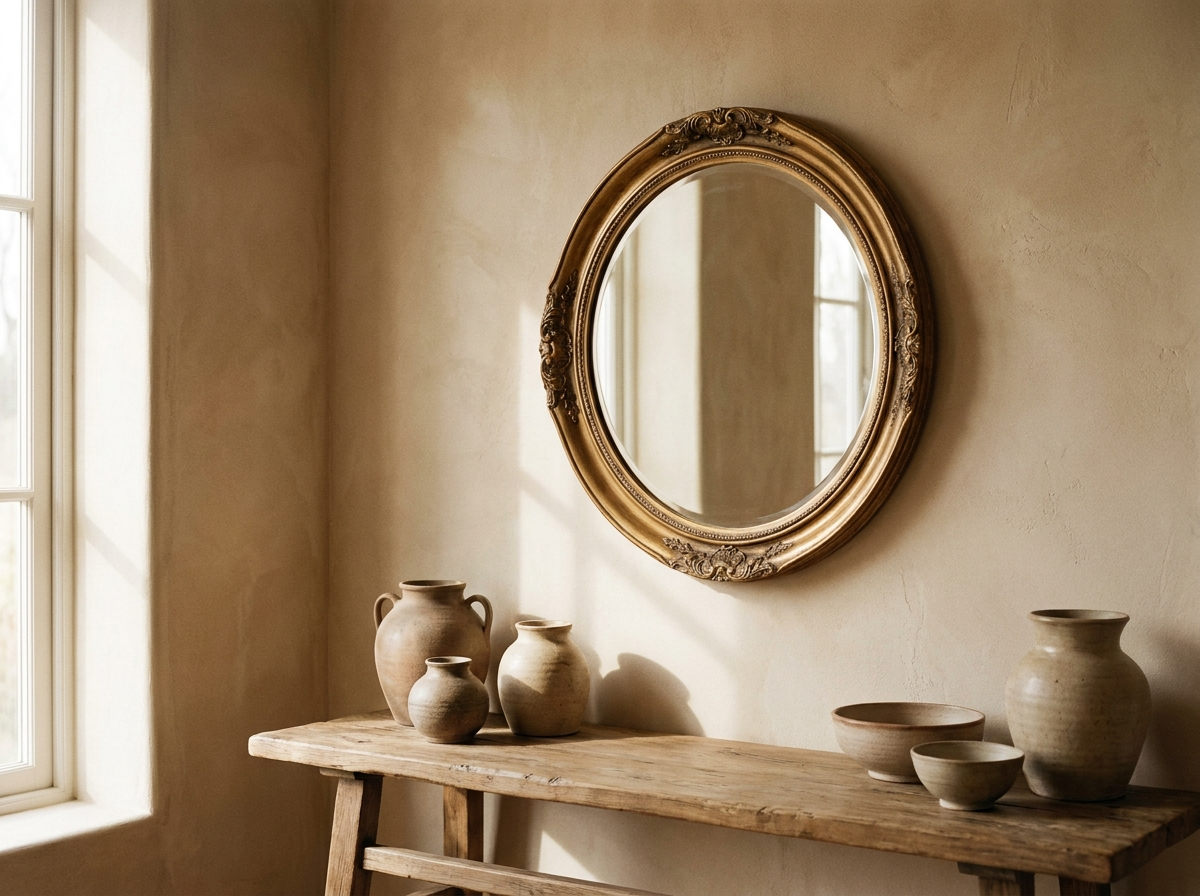
Light tones push the walls back
Classic but true: light, cool colours (off-white, pearl grey, pale blue, sea green) bounce light and create a sense of distance. On walls AND ceiling, they blur the room's edges.
A light ceiling adds height
A ceiling lighter than the walls 'lifts'. The reverse trick: for a too-tall, cold room, a slightly darker ceiling makes it cosier.
Tone-on-tone removes breaks
Painting walls, skirting and sometimes furniture in close tones erases visual breaks: the eye hits nothing, the room feels bigger and calmer. It's the most underrated decor trick.
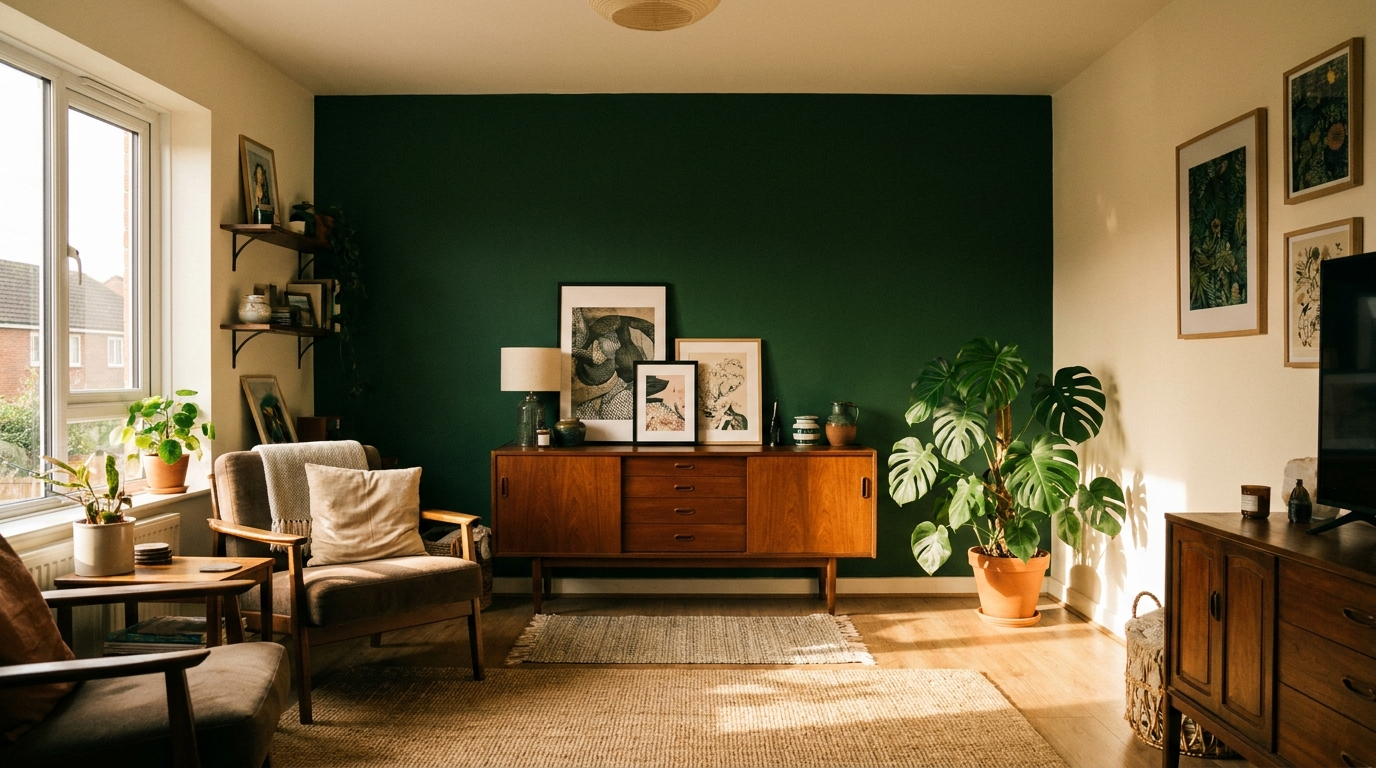
Dare a dark colour, cleverly
Counter-intuitive: a deep shade (midnight blue, forest green) on a single wall or inside a niche creates depth, as if the wall receded into shadow. Reserve it for the back wall, not the whole room.
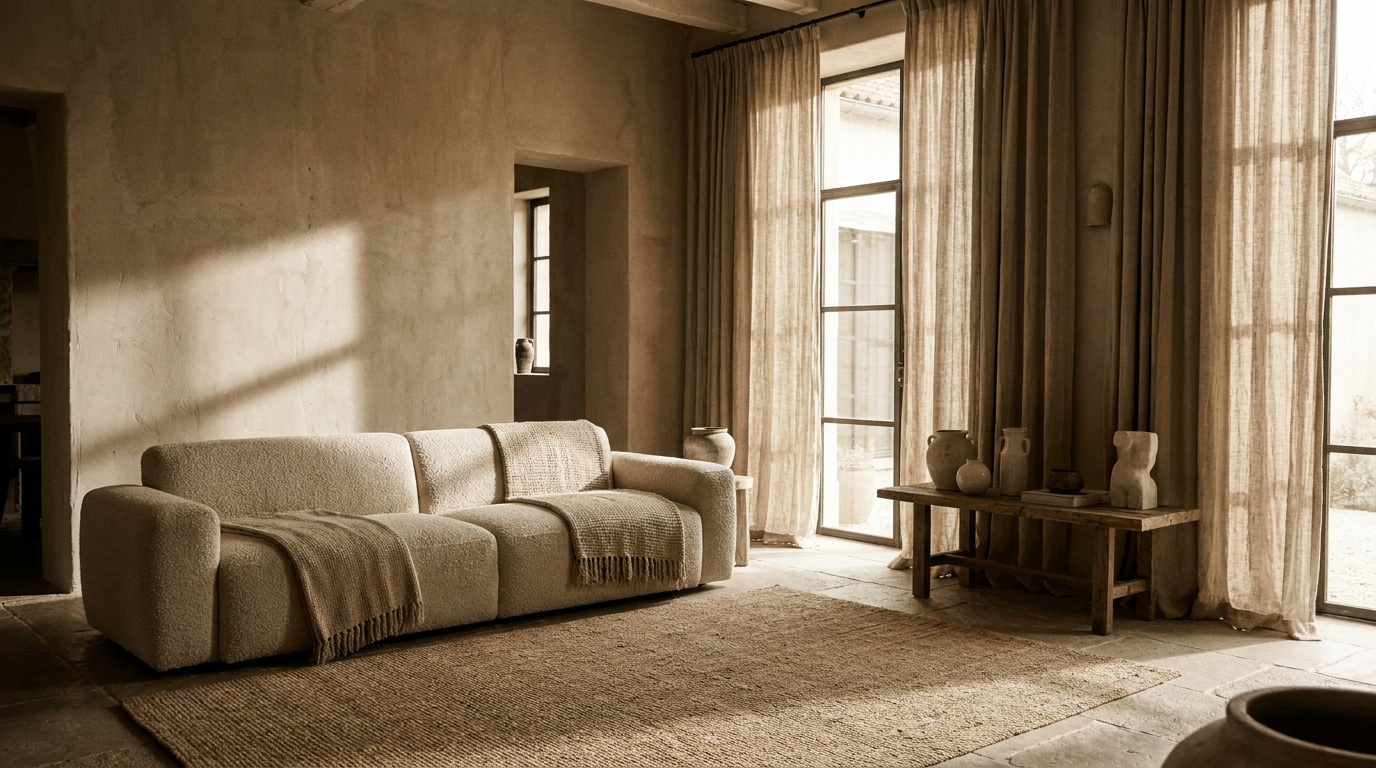
Floor continuity
A light, uniform floor with no break (same covering throughout, matching rug) enlarges as much as the walls. Avoid strong floor contrasts in small spaces.
In a small space, aim for continuity more than white at all costs: few breaks, close tones, light. The room will look bigger than it is.
Want to try it at home?
With Spaace.it, snap a photo of your room and get an AI redesign in seconds. Plus find all our decor tips on the app.